
The Staunton Owner-of-Record Card, Field by Field
The City Assessor's land book is a yearly record. It lists an owner name, legal description, PID, assessed value, and the levied tax amount. Vision provides the online lookup for current assessor data. The city cautions that it may run slightly behind. Field labels on the live portal govern what you actually see on a card. Treat any field inventory as an organizing aid rather than a template. Note the year shown before you rely on an entry.
| Owner name | Name reported on the assessor roll for its listed year |
|---|---|
| Vesting | How the latest deed names the grantee or entity |
| Mailing address | Where tax correspondence is directed |
| Situs address | Location of the parcel, distinct from its mailing address |
| PID / legal description | Parcel keys used to match the roll to a deed |
| Deed date / reference | Recording citation to confirm in the Clerk's land records |
The owner field describes the roll, not the resident. A mailing address may point to a fiduciary, a business, a lender, or a post-office box. It tells you where tax notices go. It does not prove the owner lives there, and it is not an invitation to contact someone outside a lawful property matter. In Staunton, note the card's assessment year. Compare the listed owner with the deed before trusting the entry as the current owner of record.
Owner Mode Can Locate a Staunton Roll Entry
Vision's Owner search asks for a last name. That detail matters. When an address is unknown, or when a name on a document must be matched to a parcel, the owner mode is the practical route. Review the returned cards by situs address, PID, and legal description. The first match is not always right. A card identifies the roll entry, but the deed remains the transfer of record. Staunton's Vision Owner screen displays the last-name note.
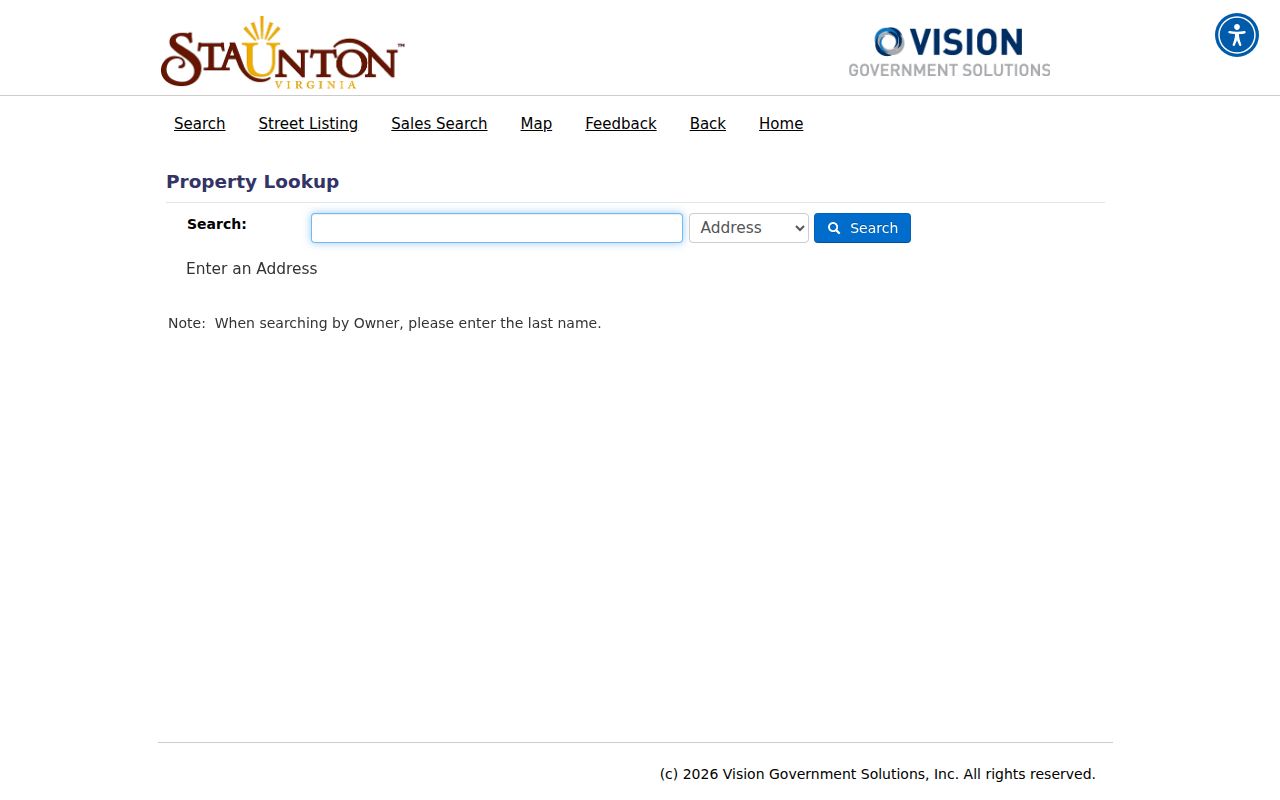
Use owner mode to find the likely roll record. Then confirm the record describes the same property as the latest deed in the Staunton deed records.
Confirm the Current Owner Against the Latest Deed
A present-tense answer takes two sources. Set the assessor roll beside the latest recorded instrument instead of copying one name into a report. No fixed update window is published. A fresh deed may postdate the land book. Keep the recording date next to the assessment year so the later source is clear.
- Open the parcel in Vision and note the roll owner, PID and legal description.
- Search the Clerk's land index for the latest deed that describes that parcel.
- Compare the grantee, recording date and vesting language with the assessor entry.
- If the two differ, ask the Assessor about its roll and the Clerk about the filed instrument.
- Owner of record
- The name carried on the assessor roll for its stated year.
- Vesting
- The way the deed names the party receiving the property interest.
- Registered agent
- A company contact shown in business filings; not automatically the property owner.
For a deed covering several tracts, read the full legal description and any referenced exhibit. Never rely on the first indexed address alone. Save the instrument number and the recording date. Then compare every tract against the assessor card. A release, lien, easement, or deed of trust can surface in the same land-record search. That party is not always the fee owner.
Mailing and Situs Stay Separate in Staunton
The situs address tells you where the parcel sits. The mailing address tells you where tax notices go. A current owner may route mail to an agent, an entity office, or a PO box. The two fields often differ for ordinary reasons. Neither one establishes occupancy. A record lookup should not be used to infer private routines or to publish a residence detail beyond what a property question requires.
Lawful use. Use a Staunton owner record for property research and appropriate property matters. Do not use names or addresses to stalk, harass or intimidate anyone.
Why the Staunton Roll May Trail a Recent Transfer
The city's Vision disclaimer warns that assessment data may be slightly dated. No fixed update interval is published. Compare the deed date and the roll date directly rather than promising a refresh window. The annual land book carries a year label. That label explains why an older owner can linger on a static copy after a later conveyance.
Staunton's general reassessment took effect in 2025. 2026 is an off year, and the next general cycle is scheduled for 2027. That calendar governs values, not a same-day ownership update. When current ownership matters for a transaction or filing, obtain the latest deed. Ask the Assessor to confirm the present roll.
LLC and Trust Names Need Their Own Confirmation
The owner of record in Staunton can be an LLC, corporation, trust, or estate rather than a person. Virginia SCC CIS lets you search by Entity Name or Entity ID. It shows public details such as entity type, status, and filing address. Those fields help interpret a company name. They do not prove title to a parcel. The latest deed supplies the property connection. A trustee or executor name should be checked against the instrument and, when relevant, the Clerk's probate file. Virginia SCC CIS is the official business-record entry page.
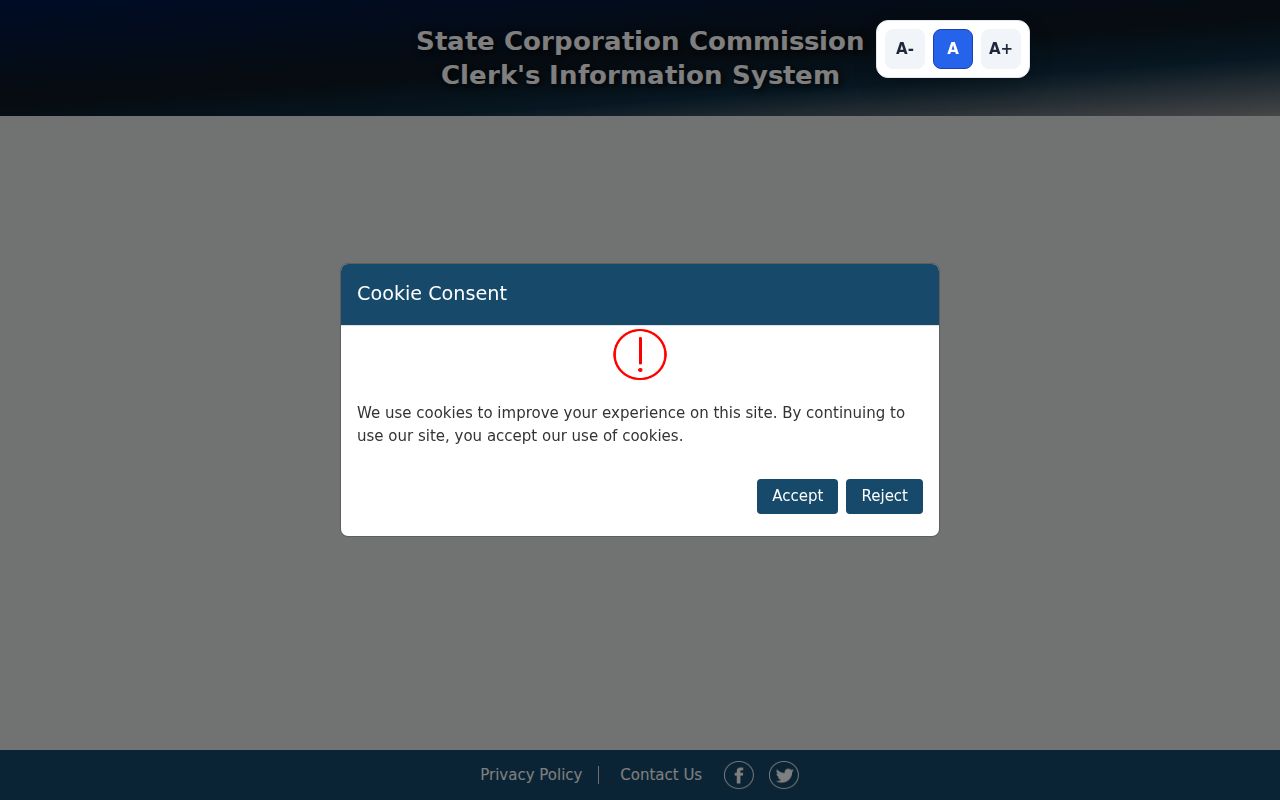
The SCC search clarifies an entity's public record. The Clerk's deed shows whether that entity is the grantee for the parcel.
VADeed Alert Can Flag a New Staunton Instrument
Staunton's Circuit Court Clerk opened a free VADeed Alert service on March 11, 2026. Sign up with a name or parcel number. When a new land-record document matches, you get an email notice. That makes it a smart follow-up to a current-owner search. Property records can change after you first check them. The tool has limits, though. An alert does not verify an instrument, block a filing, or promise complete title monitoring. Treat each notice as a lead. Pull the record itself. Call the Clerk if something looks wrong. The VADeed Alert's official registration page provides the login route.
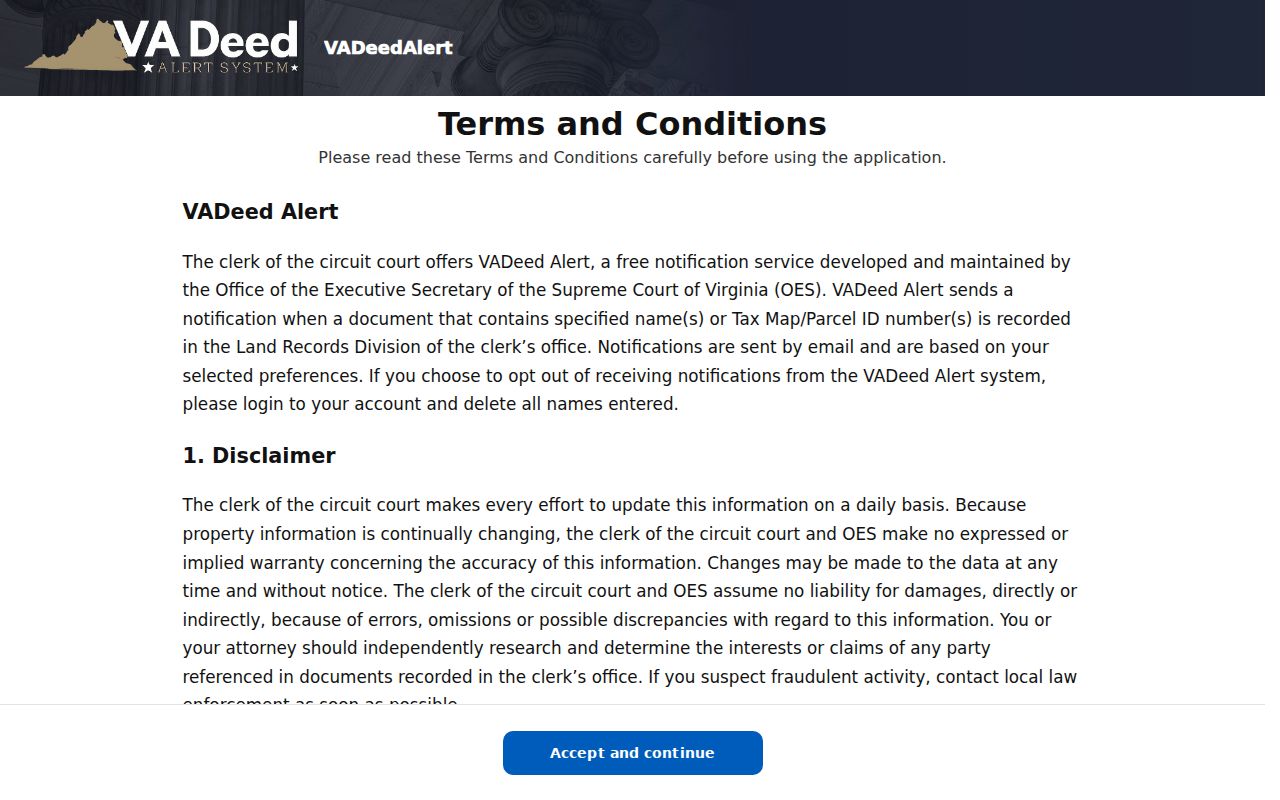
File the notice with your deed reference and PID. Then confirm the underlying filing with the Circuit Court Clerk.
Staunton Counter Review Can Resolve a Name Conflict
For name conflicts the land-record counter works best. The Clerk's office sits at 113 E. Beverley Street, Staunton, VA 24401, open 8:30 a.m. to 5 p.m. The counter is open Monday through Friday. Payment transactions wrap up before 4:30 p.m. The direct line is 540-332-3874. Bring the parcel number and the legal description. Bring the owner names and your best guess at the recording date. Staff can then pinpoint the right deed record fast. That matters most when the tax roll and the newest deed disagree. It also matters when an online image is simply unavailable.
Counter access reaches Staunton land records back to 1802. The remote SRA image service offers a local subscription route. The earliest online year is not published, though. Is the dispute really about the roll rather than the deed? Then call the Assessor at 540-332-3827. For tracing historical owners of record, turn to the Staunton former-owner guide. It explains the older index and microfilm path.